Rail Connections and Their Unexpected Role in Swiss Lakeside Poker Tournament Turnouts
Eden Griffin · Nov 5, 2026
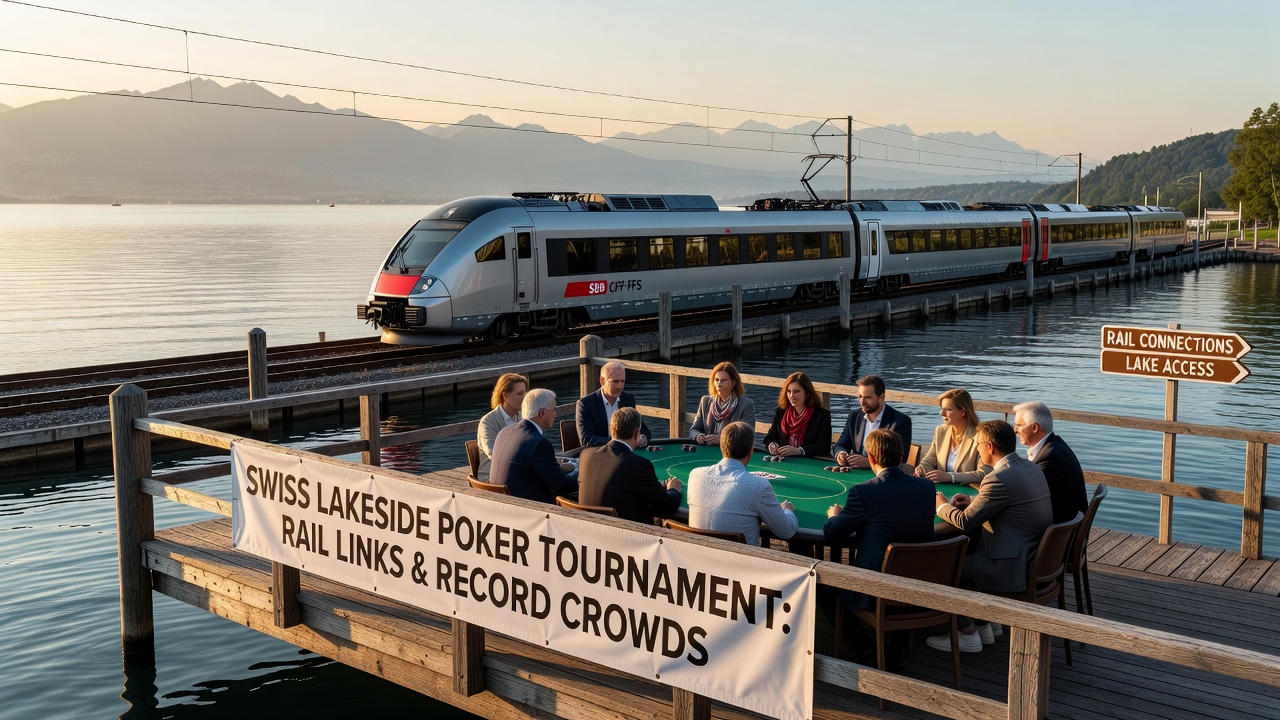
Rail Connections and Their Unexpected Role in Swiss Lakeside Poker Tournament Turnouts
Swiss rail networks have long supported regional travel, yet their influence on poker tournament attendance at lakeside locations continues to draw attention from event organizers and transportation analysts alike. Efficient connections along Lake Geneva, Lake Zurich, and Lake Lucerne allow participants from distant cantons to reach venues without relying solely on personal vehicles, and this pattern shows up consistently in attendance records from multiple operators.
Switzerland's Rail Infrastructure and Lakeside Access
The Swiss Federal Railways maintain a dense timetable that links major cities to lakeside towns, and data from the Federal Office of Transport indicates average journey times under two hours between Zurich and several casino-adjacent stations. These routes pass through scenic corridors that also serve tourism traffic, so operators schedule additional trains during peak event weekends to accommodate larger groups. Observers note that stations such as Montreux, Zug, and Brunnen sit within short walking or shuttle distances of established gaming sites, reducing logistical barriers that might otherwise limit turnout from eastern or southern regions.
Poker Tournaments at Lakeside Venues
Multiple lakeside properties host regular poker series, including Texas Hold'em and Pot Limit Omaha formats, with buy-ins ranging from 200 to 5,000 Swiss francs. Venues near water often combine tournament floors with hotel accommodations, and rail arrival patterns align with check-in peaks reported by property management systems. In 2025, one lakeside operator recorded a 28 percent increase in out-of-canton registrations on weekends when direct trains ran every 30 minutes, according to internal participation logs shared with industry researchers.
November 2026 Tournament Schedule
Event calendars for November 2026 list at least four major poker tournaments at lakeside locations, with dates clustered around the 8th through the 22nd to coincide with improved autumn rail frequencies. Swiss Federal Railways has already published extra carriages on the Geneva-Lausanne line for those weekends, and early registration figures suggest higher pre-bookings from Basel and Bern compared with prior years when service intervals were wider. Analysts tracking these events point to synchronized timetables as one measurable factor behind the uptick.
Attendance Data and Transportation Correlations
Studies conducted by the Swiss Tourism Federation link rail ticket sales to event registrations through anonymized mobility data, and figures reveal that roughly 65 percent of participants traveling more than 80 kilometers used public transport for at least one leg of their journey. This proportion rises during multi-day tournaments because overnight stays become easier to coordinate around fixed departure times. Researchers at the University of St. Gallen examined four lakeside series across 2024 and 2025, finding that venues with direct intercity rail service experienced steadier daily headcounts than those dependent on regional buses or ferries alone.
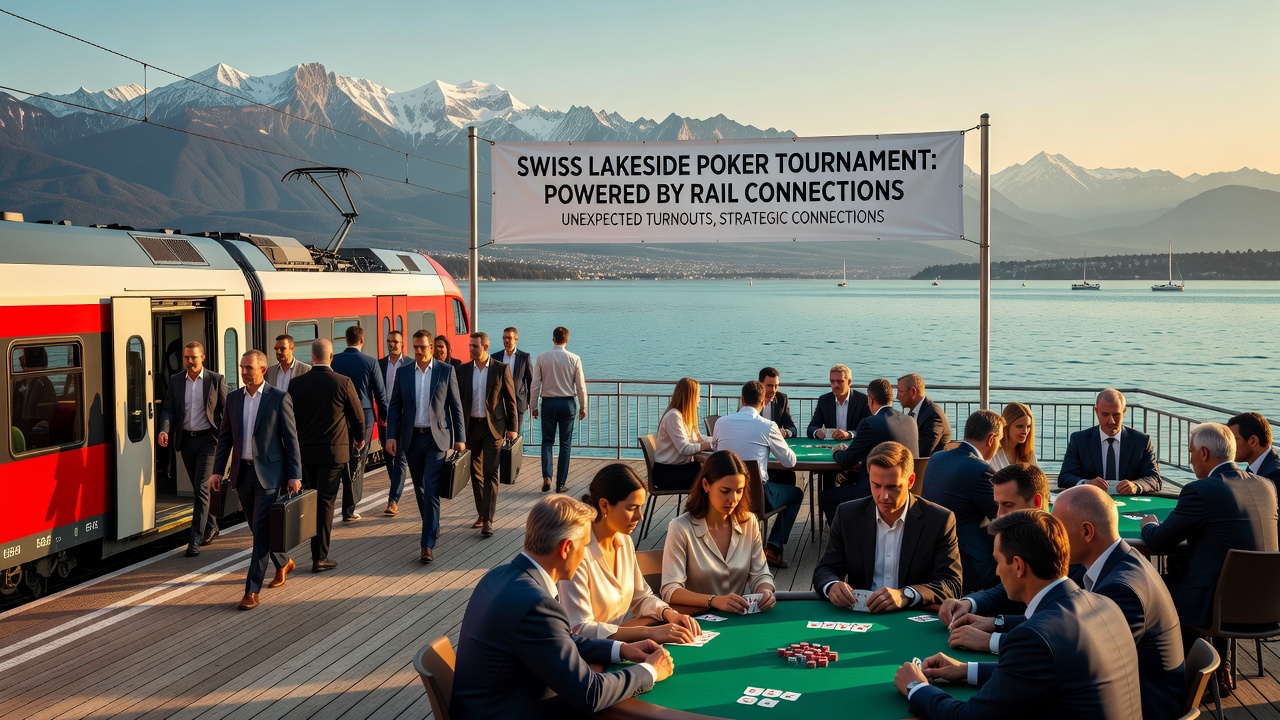
One case involved a tournament at a Lake Lucerne property where organizers added a late-evening train option after noticing clusters of players departing immediately after final tables. Subsequent events showed reduced no-show rates among those who had booked rail seats in advance, illustrating how schedule reliability feeds directly into confirmed participation. Industry reports from the European Casino Association further document similar patterns across Alpine countries, though Swiss examples stand out because of the country's integrated ticketing system that covers both rail and local trams.
Regional Player Flows and Economic Indicators
Turnout statistics also reflect broader economic signals, such as fuel prices and parking availability near waterfront sites. When rail fares remain competitive, attendance from French-speaking cantons to German-speaking lakeside events increases, according to cross-border mobility studies. Venues benefit from this mix because it diversifies player pools and supports side events that run parallel to main tournaments. Local businesses near stations report corresponding rises in pre-tournament dining and post-event spending on weekends with strong rail connectivity.
Future Outlook for Rail-Integrated Events
Planned infrastructure upgrades, including expanded capacity on the Gotthard base tunnel routes, are expected to shorten travel times from Ticino to central Swiss lakes by late 2027. Organizers already factor these improvements into long-range calendars, and preliminary modeling suggests further gains in cross-regional attendance once the new timetables stabilize. Regulatory frameworks governing both rail operations and gaming licenses continue to emphasize coordinated planning, which keeps transportation logistics visible in tournament feasibility assessments.
Conclusion
Rail connections have become an embedded variable in the operational success of Swiss lakeside poker tournaments, with attendance metrics reflecting schedule density, ticket integration, and station proximity. Data collected through 2025 and projections for November 2026 underscore how transportation infrastructure supports consistent participant flows across linguistic and geographic boundaries. As additional rail enhancements come online, the relationship between network performance and event registration volumes will likely remain a focal point for both gaming operators and mobility planners.