Seasonal Tourism Waves Reshape Blackjack Strategy Workshops Hosted at Swiss Mountain Resort Gaming Centers
Riley Keller · Oct 22, 2026
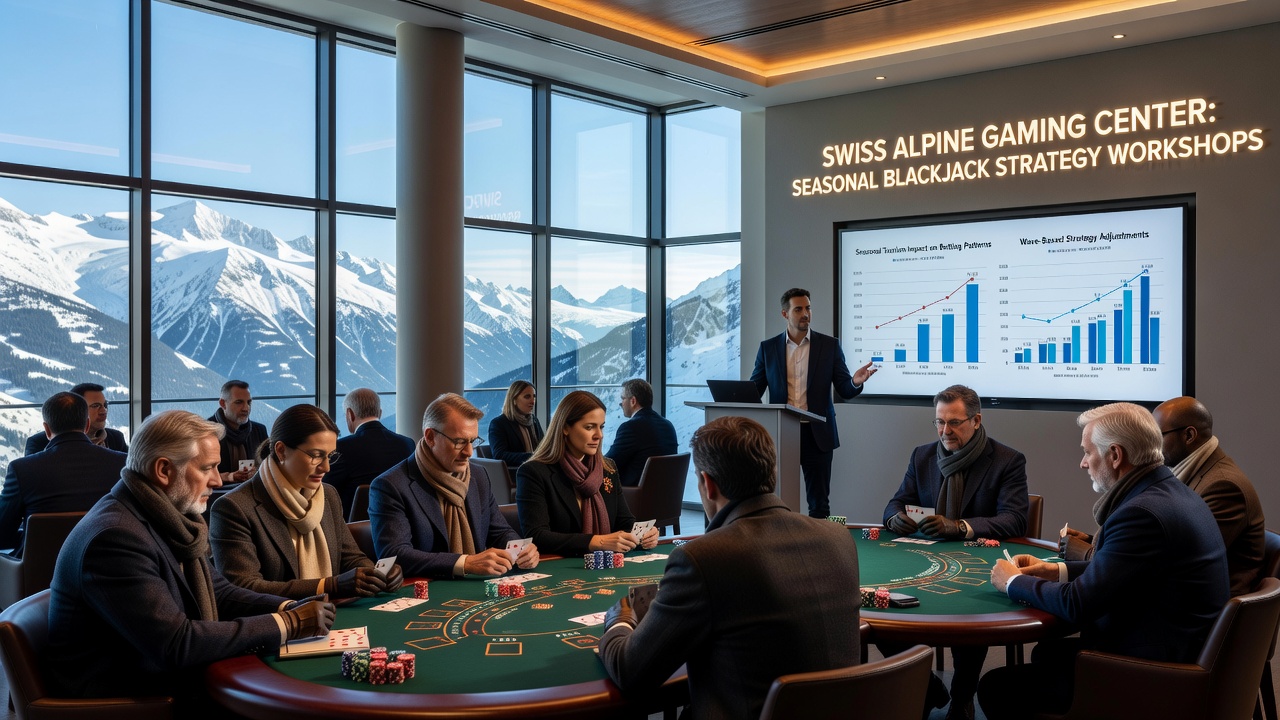
Seasonal Tourism Waves Reshape Blackjack Strategy Workshops Hosted at Swiss Mountain Resort Gaming Centers
Seasonal tourism patterns in the Swiss Alps have altered attendance and curriculum focus at blackjack strategy workshops offered through mountain resort gaming centers, with visitor influxes during winter ski months and summer hiking periods driving measurable shifts in program scheduling and content emphasis according to industry reports.
Resort operators in regions like the Bernese Oberland and Graubünden adjust workshop calendars to align with peak arrivals, when international tourists combine gaming with leisure travel, and data from the Swiss Federal Statistical Office indicates that alpine destinations record up to 40 percent higher overnight stays between December and March compared to shoulder seasons.
Tracking Visitor Flows and Workshop Demand
Winter months bring concentrated groups of participants seeking structured learning sessions that fit between outdoor activities, whereas shoulder periods see smaller cohorts drawn more from domestic travelers and business conferences. Observers note that gaming centers respond by expanding evening workshop slots during high season, while scaling back daytime offerings when resort occupancy dips. This adjustment pattern appears consistently across multiple properties, where registration systems show direct correlation between tourism statistics and enrollment numbers.
But here's the thing: the October 2026 shoulder period has already demonstrated early indicators of transitional demand, with preliminary figures revealing steady mid-week participation as operators prepare for the upcoming winter surge. Researchers tracking these trends highlight how workshops incorporate localized rule variations common in Swiss venues, allowing attendees to practice adaptations suited to regional house edges and table minimums.
Curriculum Adaptations Across Tourism Cycles
Workshop facilitators modify teaching modules based on participant demographics that fluctuate with tourism waves. During peak influxes, sessions often emphasize rapid decision frameworks and bankroll management tailored for shorter visit durations, while off-peak programs delve deeper into probability modeling and long-term strategy simulations. Those who've analyzed enrollment data find that international visitors during ski season favor condensed formats, whereas repeat local attendees during quieter months engage with extended multi-day courses.
What's interesting is the integration of digital tools that accommodate varying group sizes. Centers deploy interactive software for larger winter cohorts, enabling simultaneous practice across multiple tables, and shift toward individualized coaching when numbers drop in transitional months. Figures from European gaming associations reveal that such hybrid approaches maintain consistent completion rates regardless of seasonal volume.
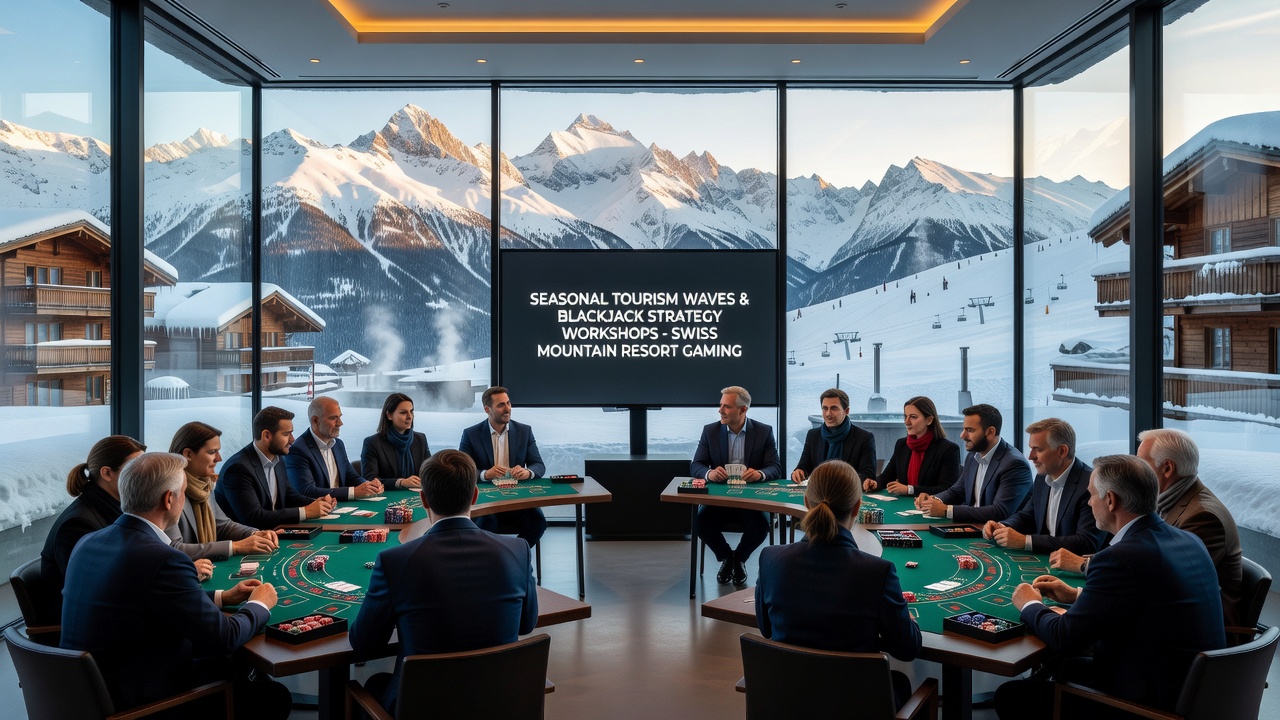
Regional Data and Industry Responses
Industry organizations report that mountain resort gaming centers have increased collaboration with tourism boards to forecast attendance, using historical visitor data to pre-schedule instructors and materials. One study from a Swiss research institution found that centers implementing predictive scheduling reduced workshop cancellations by 25 percent during variable seasons. These partnerships also facilitate cross-promotion, where gaming packages bundle with lift tickets or hiking passes to stabilize year-round interest.
Yet the reality is that regulatory frameworks in Switzerland require operators to maintain transparent reporting on player education initiatives, which has encouraged centers to document how seasonal adjustments affect learning outcomes. Data shows that participants exposed to tourism-aligned workshops demonstrate comparable retention of basic strategy charts across different times of year, suggesting the adaptations preserve educational value without diluting core content.
Future Scheduling Considerations
Looking ahead, gaming centers continue to monitor climate-related tourism shifts that could extend or contract peak periods, prompting further refinements in workshop delivery. Academic analyses of alpine visitor patterns provide operators with additional context for long-term planning, particularly around shoulder-month promotions designed to draw consistent attendance. Those monitoring the sector observe steady interest in strategy education as resorts diversify offerings beyond traditional gaming floors.
Conclusion
Seasonal tourism waves continue to influence the structure and reach of blackjack strategy workshops at Swiss mountain resort gaming centers, with operators relying on visitor data and industry collaboration to maintain program relevance throughout the year. Evidence from regulatory and statistical sources supports the ongoing evolution of these educational formats in response to predictable tourism cycles.